
Why Fast Turnaround PCB Assembly Is Essential for Product Development
Introduction
In today’s competitive technology landscape, speed has become one of the most important factors in product development. Whether a company is creating consumer electronics, industrial automation systems, medical devices, telecommunications equipment, or IoT products, bringing innovations to market quickly can determine success or failure.
Modern businesses operate in rapidly changing markets where customer demands evolve constantly and competitors release new products at an unprecedented pace. Delays in manufacturing can lead to missed opportunities, lost revenue, and reduced market share.
This is why fast turnaround PCB assembly has become a critical component of modern electronics development. By reducing manufacturing lead times and accelerating prototype production, fast PCB assembly services help engineers validate designs, refine products, and launch innovations more efficiently.
When combined with turnkey PCB assembly, fast turnaround manufacturing creates a streamlined development process that supports rapid innovation while maintaining product quality and reliability.
What Is Fast Turnaround PCB Assembly?
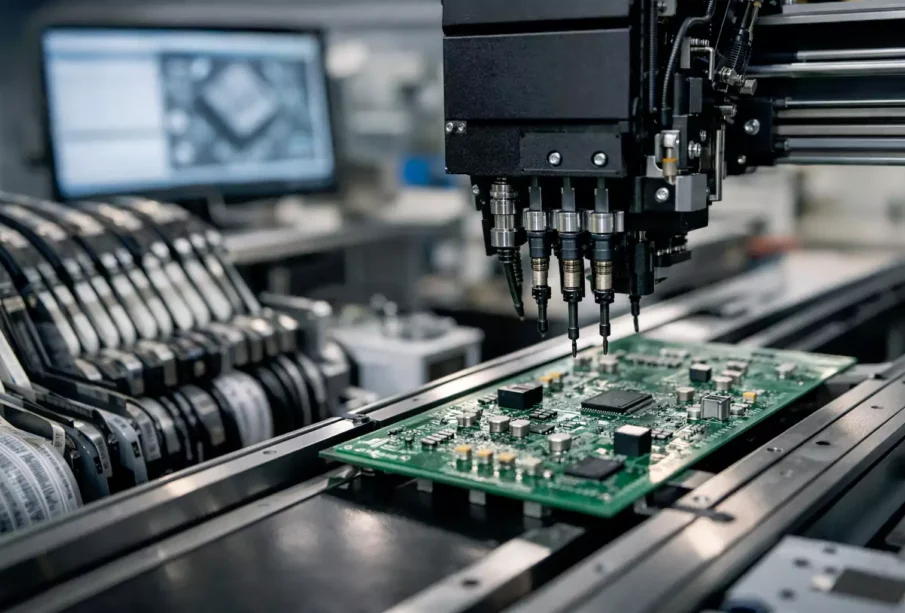
Fast turnaround PCB assembly refers to accelerated manufacturing services designed to produce assembled circuit boards within a significantly shorter timeframe than traditional production schedules.
These services typically include:
- Rapid PCB fabrication
- Expedited component sourcing
- Quick SMT assembly
- Priority inspection and testing
- Accelerated shipping
The goal is to reduce delays and provide functional PCB assemblies as quickly as possible.
Fast turnaround services are commonly used during:
- Prototype development
- Product testing
- Engineering validation
- Design revisions
- Pre-production runs
These applications make fast assembly an essential tool for modern product development.
The Importance of Speed in Product Development
Technology markets move quickly, and companies that develop products faster often gain substantial competitive advantages.
Benefits of Faster Development Cycles
Rapid development helps businesses:
- Enter markets sooner
- Respond to customer needs faster
- Generate revenue earlier
- Attract investors
- Outpace competitors
Reducing development timelines allows organizations to capitalize on market opportunities before they disappear.
Cost of Delays
Product development delays may result in:
- Missed launch windows
- Increased development costs
- Reduced profitability
- Competitive disadvantages
Fast turnaround PCB assembly helps minimize these risks.
Accelerating Prototype Development
Prototyping is one of the most important stages of electronic product design.
Before full-scale manufacturing begins, engineers must verify that designs function correctly under real operating conditions.
Why Prototypes Matter
Prototype boards help validate:
- Circuit functionality
- Signal integrity
- Thermal performance
- Power consumption
- Component compatibility
Without prototype testing, costly design issues may remain undetected until mass production.
How Fast Turnaround Assembly Helps
Accelerated assembly services provide prototype boards quickly, allowing engineers to:
- Evaluate designs sooner
- Identify issues earlier
- Begin testing immediately
- Maintain project momentum
Faster prototype availability shortens overall development cycles.
Supporting Rapid Design Iteration
Few electronic products are perfected during the first design revision.
Most projects require multiple design updates before reaching production readiness.
Common Design Revisions
Engineers may need to modify:
- Component selection
- PCB layout
- Power circuits
- Firmware integration
- Communication interfaces
Each revision requires additional prototype production and testing.
Faster Iteration Cycles
Fast turnaround PCB assembly allows teams to:
- Receive updated prototypes quickly
- Test modifications immediately
- Implement improvements faster
This iterative process improves product quality while reducing development time.
Faster Validation of New Technologies
Emerging technologies often require extensive testing before commercialization.
Examples include:
- IoT devices
- AI hardware
- Smart sensors
- Medical electronics
- Wireless communication systems
Importance of Rapid Validation
New technologies may involve:
- Unproven designs
- Experimental architectures
- Advanced components
Fast assembly services help developers evaluate these technologies more efficiently and refine products sooner.
Improving Time-to-Market
Time-to-market refers to the period between initial product development and commercial launch.
Reducing this timeline is often a major business objective.
Competitive Advantages of Early Market Entry
Companies that launch products earlier can:
- Capture customers first
- Build brand recognition
- Establish market leadership
- Increase sales opportunities
Fast turnaround PCB assembly contributes directly to shorter product development timelines.
Faster Manufacturing Workflows
Accelerated production processes eliminate unnecessary waiting periods between:
- Design completion
- Fabrication
- Assembly
- Testing
This creates a more efficient path to commercialization.
Supporting Startup Innovation
Startups often operate under strict deadlines and limited budgets.
Many early-stage companies rely on rapid product development to secure funding and demonstrate progress.
Challenges Faced by Startups
Common obstacles include:
- Limited engineering resources
- Investor expectations
- Aggressive launch schedules
- Restricted budgets
Benefits of Fast PCB Assembly
Accelerated manufacturing helps startups:
- Validate concepts quickly
- Demonstrate working prototypes
- Attract investment
- Reduce development risks
Rapid prototyping can significantly improve startup success rates.
Enhancing Engineering Productivity
Engineering teams become more productive when they spend less time waiting for hardware.
Traditional Delays
Long manufacturing lead times often cause:
- Project interruptions
- Delayed testing
- Reduced workflow efficiency
Faster Access to Hardware
Fast turnaround assembly enables engineers to:
- Test designs sooner
- Resolve issues quickly
- Continue development without delays
Improved productivity contributes to shorter development cycles and faster innovation.
Better Product Quality Through Early Testing
Some organizations assume faster production compromises quality.
In reality, rapid assembly can improve product quality when combined with proper testing and inspection procedures.
Earlier Problem Detection
Fast prototypes allow engineers to identify:
- Layout issues
- Thermal concerns
- Signal integrity problems
- Power management flaws
More Time for Optimization
Receiving prototypes earlier provides additional opportunities for refinement before final production.
This often results in more reliable products.
Benefits of Turnkey PCB Assembly for Fast Turnaround Projects
Fast turnaround services become even more effective when integrated into a turnkey manufacturing model.
What Turnkey Assembly Includes
Turnkey providers manage:
- PCB fabrication
- Component sourcing
- SMT assembly
- Inspection and testing
- Logistics coordination
Advantages of Integration
A turnkey approach reduces delays caused by:
- Vendor communication
- Procurement bottlenecks
- Shipping between suppliers
- Project coordination issues
Centralized management improves overall manufacturing efficiency.
Overcoming Supply Chain Challenges
Component availability remains one of the biggest obstacles in electronics manufacturing.
Common Procurement Challenges
Manufacturers frequently face:
- Semiconductor shortages
- Long lead times
- Inventory constraints
- Global logistics disruptions
Fast Turnaround Solutions
Experienced providers maintain:
- Strong supplier networks
- Alternative sourcing options
- Inventory management systems
- Procurement expertise
These capabilities help minimize sourcing delays and support accelerated production schedules.
Supporting Small-Batch and Pilot Production
Fast turnaround assembly is not limited to prototypes.
Many companies also use accelerated services for:
- Pilot production runs
- Product demonstrations
- Customer evaluations
- Limited market releases
Benefits of Pilot Manufacturing
Small production runs help businesses:
- Validate manufacturing processes
- Gather user feedback
- Assess market demand
Fast assembly allows these evaluations to occur more quickly.
Industries That Depend on Fast Turnaround PCB Assembly
Many sectors rely heavily on rapid manufacturing capabilities.
Consumer Electronics
Frequent product updates require short development cycles.
Medical Devices
Rapid testing supports innovation and regulatory preparation.
Industrial Automation
New control systems often require accelerated prototyping.
Telecommunications
Fast hardware validation supports evolving communication technologies.
IoT Development
Connected devices require extensive testing and iterative refinement.
Across all these industries, speed remains a major competitive advantage.
Reducing Overall Development Costs
Although fast turnaround services may involve premium pricing, they often reduce total project costs.
How Faster Development Saves Money
Accelerated production helps reduce:
- Engineering idle time
- Project management expenses
- Opportunity costs
- Product launch delays
Faster commercialization often offsets additional manufacturing costs.
Improved Resource Utilization
Rapid assembly allows organizations to make better use of engineering, testing, and development resources.
This improves overall project efficiency.
Quality Control in Fast Turnaround Manufacturing
Maintaining quality remains essential regardless of production speed.
Professional fast-turnaround manufacturers use advanced quality systems including:
- Automated Optical Inspection (AOI)
- X-ray inspection
- Functional testing
- In-circuit testing
These procedures help ensure reliable performance despite compressed production schedules.
Future Trends in Fast PCB Assembly
Electronics manufacturing continues to evolve toward greater speed and efficiency.
Emerging technologies include:
- AI-driven production scheduling
- Smart factory automation
- Predictive supply chain management
- Advanced robotics
- Automated design validation
These innovations will further reduce manufacturing lead times while improving quality and consistency.
Choosing the Right Fast Turnaround PCB Assembly Partner
Not all manufacturers offer the same level of speed and reliability.
Important evaluation criteria include:
- Production capacity
- Engineering support
- Component sourcing expertise
- Quality certifications
- Testing capabilities
- Delivery performance
Selecting the right manufacturing partner is essential for successful accelerated development.
Conclusion
Fast turnaround PCB assembly has become an essential part of modern product development. By reducing manufacturing lead times, accelerating prototyping, supporting rapid design iteration, and improving time-to-market, fast assembly services help businesses innovate more efficiently and compete more effectively.
When combined with turnkey PCB assembly, fast turnaround manufacturing creates a streamlined development environment that simplifies production and improves overall project success.
As technology markets continue to evolve rapidly, organizations that leverage fast turnaround PCB assembly will be better positioned to develop high-quality products, respond quickly to market opportunities, and maintain a strong competitive advantage.



Comments are closed.
-

How Often Should You Have Your Office Carpet Cleaned Professionally?
November 29, 2024 -

The Growing Role of Social Media in the Business Industry
October 23, 2020 -

Latest Posts
-

How Digital Platforms Enhance Industrial Collaboration
August 10, 2026 -

Building a Financial Future With Smarter Market Decisions
August 1, 2026
Recent Posts
- How Digital Platforms Enhance Industrial Collaboration August 10, 2026
- Building a Financial Future With Smarter Market Decisions August 1, 2026
- Product Management Best Practices for Successful Launches July 10, 2026
- The Role of Leadership in Entrepreneurial Success July 10, 2026
- The Importance of Corporate Social Responsibility for Companies June 16, 2026
- The Importance of Shared Values in Successful Partnerships May 26, 2026
Categories
- Advertising (7)
- Automotive (1)
- Business (128)
- Companies (9)
- Entrepreneurs (3)
- Featured (1)
- Industry (9)
- Management (7)
- Marketing (14)
- Moving (6)
- News (2)
- Partnerships (7)
- Services (7)